Optometrist vs Ophthalmologist
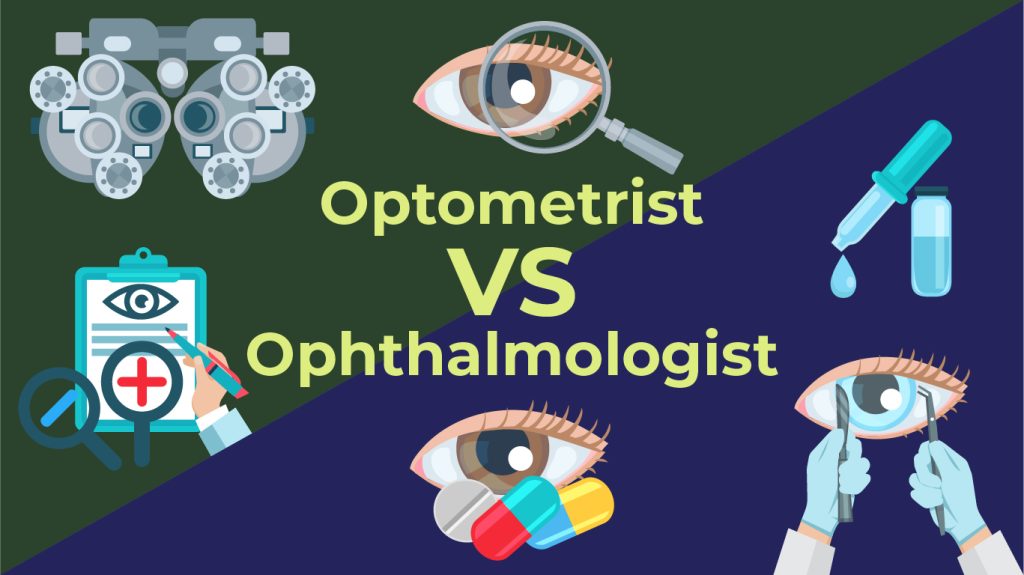
Optometrists and ophthalmologists are both clinically trained eye care professionals, but they serve different roles in vision care. Optometrists provide primary eye care services, such as conducting eye exams, diagnosing common vision issues, and prescribing corrective lenses. In contrast, ophthalmologists are medical doctors who specialise in complex eye conditions, as they diagnose, manage, and treat a wide range of eye diseases, and are qualified to perform surgical procedures.
Understanding the key differences between these two eye care professionals can help you choose the right provider for your specific eye care needs
What Is an Optometrist?
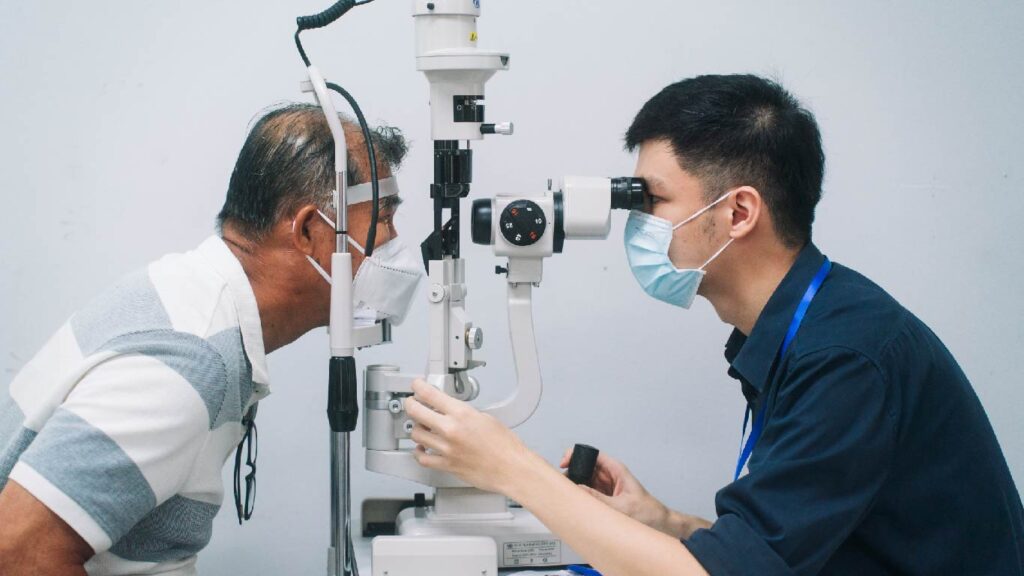
An optometrist, known in countries like the United States and Canada as a Doctor of Optometry (OD), is a healthcare professional who provides essential primary vision care. Most optometrists in are trained to:
- Perform comprehensive eye examinations
- Prescribe glasses and contact lenses
- Diagnose and manage various eye diseases, including glaucoma, diabetic retinopathy, and cataracts
- Treat common eye conditions such as myopia, lazy eye (amblyopia), digital eye strain, dry eye syndrome, and corneal erosion related to contact lens use
- Refer patients who need further diagnosis and surgical interventions for severe eye conditions to ophthalmologists
However, optometrists do not perform surgical procedures—these are handled by ophthalmologists.
What are the education requirements for an Optometrist?
To become an optometrist in Malaysia, one must complete a Bachelor’s degree in Optometry from a recognized university locally or abroad. This typically involves four years of full-time study, including clinical training. After graduation, all practicing optometrists must be registered with the Malaysian Optical Council (Majlis Optik Malaysia), which operates under the supervision of the Ministry of Health, ensuring optometrists uphold professional standards and safeguard public health. Registered optometrists are also required to obtain an Annual Practising Certificate (APC) and are encouraged to engage in continuing professional development (CPD) to maintain their competency and uphold professional standards.
When should you see an Optometrist?
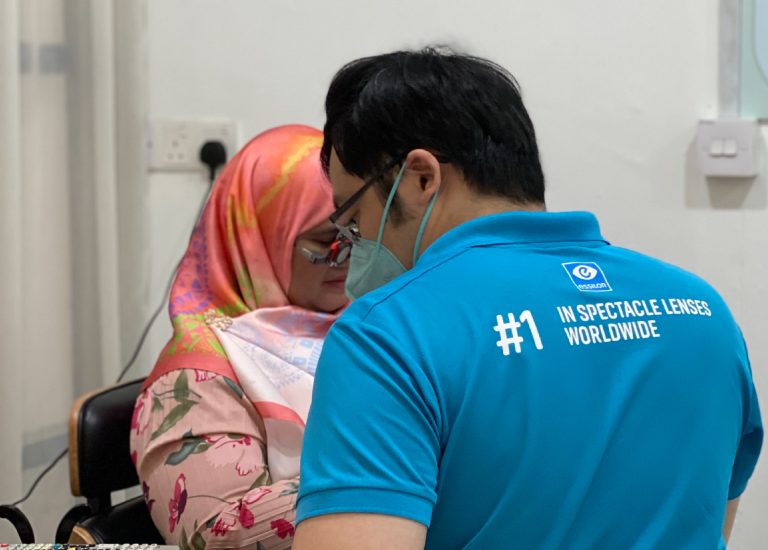
It’s recommended to visit your optometrist for a routine eye exam every 1–2 years, or as otherwise advised. Prevention is better than cure, regular check-ups help monitor your eye health and detect vision problems early. You can also see an optometrist for the evaluation of eye injuries or follow-up care after eye surgery.
If you experience any recent changes in your vision, such as eye pain, blurriness, strain, or headaches, it’s important to undergo a comprehensive eye examination to identify the underlying cause and seek timely treatment. This can help prevent irreversible damage to the eyes, such as retinal detachment.
If you need an eye exam, visit us at Aman Suria, PJ. Please make an appointment in advance to avoid waiting. In the meantime, feel free to contact us via WhatsApp for any vision concerns you may have.
What is an Ophthalmologist?
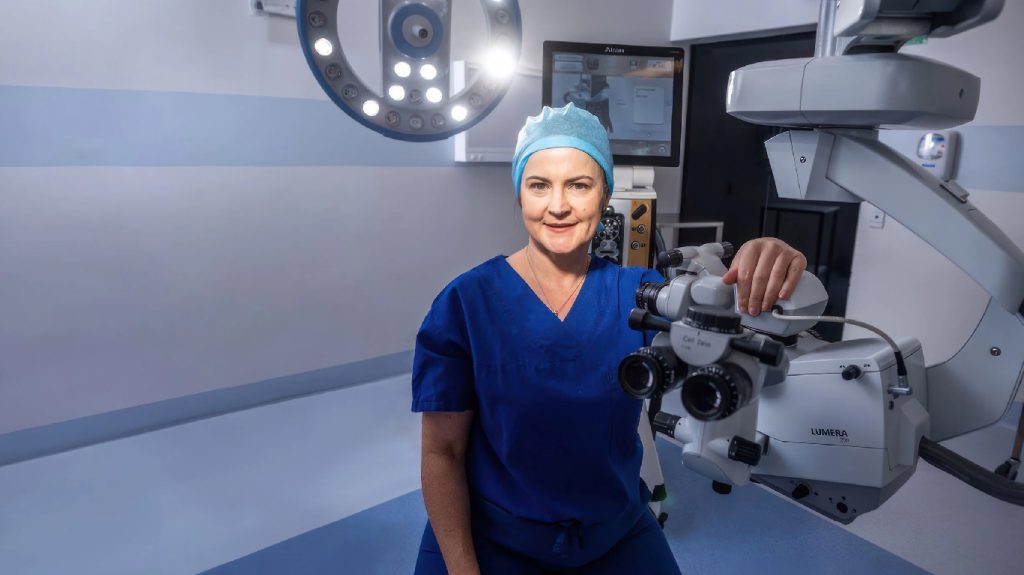
An ophthalmologist is a medical doctor who specializes in eye care and vision health. They are qualified to provide advanced treatment for complex eye conditions. Their extensive training allows them to perform eye surgeries and prescribe medications for a wide range of eye diseases, including glaucoma, age-related macular degeneration (AMD), cataracts, diabetic retinopathy, retinal detachment.
If you think you may need to see an ophthalmologist, it’s best to consult your healthcare provider or seek guidance from an optometrist for further advice.
What are the education requirements for an Ophthalmologist?
To become an ophthalmologist in Malaysia, one must complete a medical degree, housemanship, and several years as a medical officer. Specialist training is then pursued through either the Master of Ophthalmology programme or the parallel pathway, which involves recognised overseas qualifications, such as Fellowship of the Royal College of Surgeons (FRCS) combined with clinical training in local hospitals. After completing exams and clinical requirements, doctors must register with the National Specialist Register (NSR). The entire process typically takes 10 to 15 years.

When should you see an Ophthalmologist?
In Malaysia, ophthalmologists are specialists who manage complex and advanced eye conditions. They are not usually the first point of contact for eye problems. The standard procedure is to visit an optometrist or a general practitioner (GP) at a clinic first. If specialised care is needed, they will refer you to an ophthalmologist.
You may be referred to an ophthalmologist if you show symptoms such as:
- Sudden or gradual loss of vision
- Blurry vision, dark spots, or shadows in your field of sight
- Eye pain or discomfort
- Noticeable changes in colour vision
If you experience any of these signs, it’s important to seek professional advice early to prevent more serious complications.
How do optometrists and ophthalmologists work hand in hand?
Optometrists and ophthalmologists may overlap in areas such as eye exams and diagnosis, but their roles in eye care are distinct. Optometrists focus on primary eye care, including routine vision testing and prescribing eyeglasses or contact lenses. Ophthalmologists, on the other hand, are medical doctors who specialize in diagnosing and treating complex eye conditions, including performing surgical interventions. Though their scopes differ, both professionals are integral to the same continuum of comprehensive eye care. It’s common for them to care for the same patients—for example, optometrists often manage pre- and post-operative care, while ophthalmologists may refer patients back to optometrists for ongoing vision care and prescription eyewear. This collaborative relationship ensures patients receive seamless, coordinated care across all aspects of eye health.
Myopia control management in children is another example of how optometrists and ophthalmologists work hand in hand. In such cases, the optometrist may prescribe myopia control glasses, while the ophthalmologist prescribes myopia control eye drops, such as Myopine, to create a combined approach to managing myopia.
How to choose the right eye care professional: Optometrist vs Ophthalmologists?
Optometrists and ophthalmologists both play key roles in maintaining your eye health, offering different types of care and services. However, not every service may be relevant to your specific needs, so it’s important to understand which type of eye care professional is most appropriate for you. Explore the common eye care services below to find out which expert best matches your requirements.

Eye Exams
Both optometrists and ophthalmologists are qualified to conduct eye exams, but optometrists are typically the better choice for routine check-ups since they specialise in primary eye care and are usually the first point of contact. It’s recommended to have a routine eye exam every 1–2 years. If you need to schedule a routine eye exam, you can easily book an appointment through our online booking page.
Prescriptions
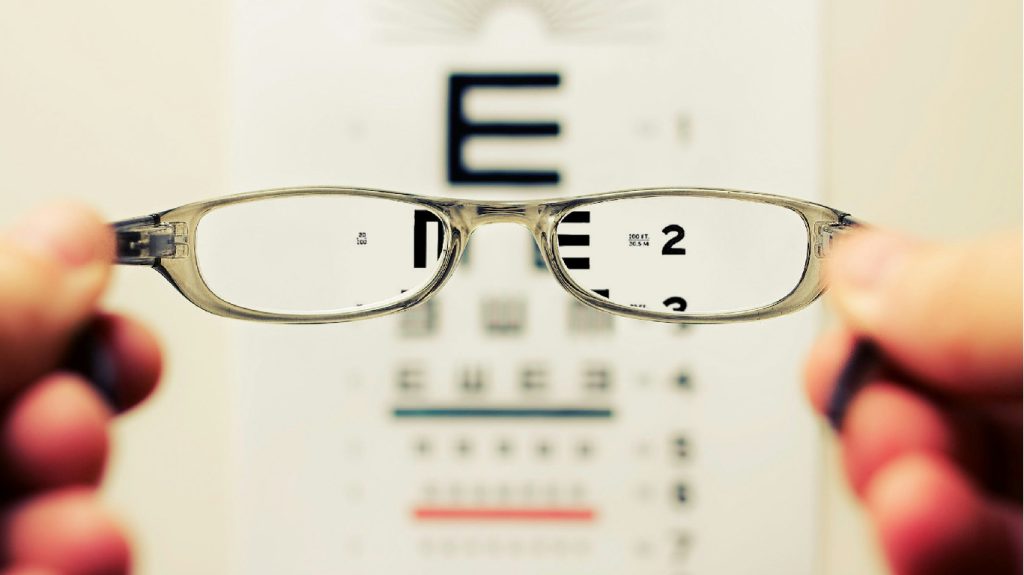
An optometrist can detect vision problems and provide prescriptions for glasses to help correct and manage them as needed.
Eye conditions
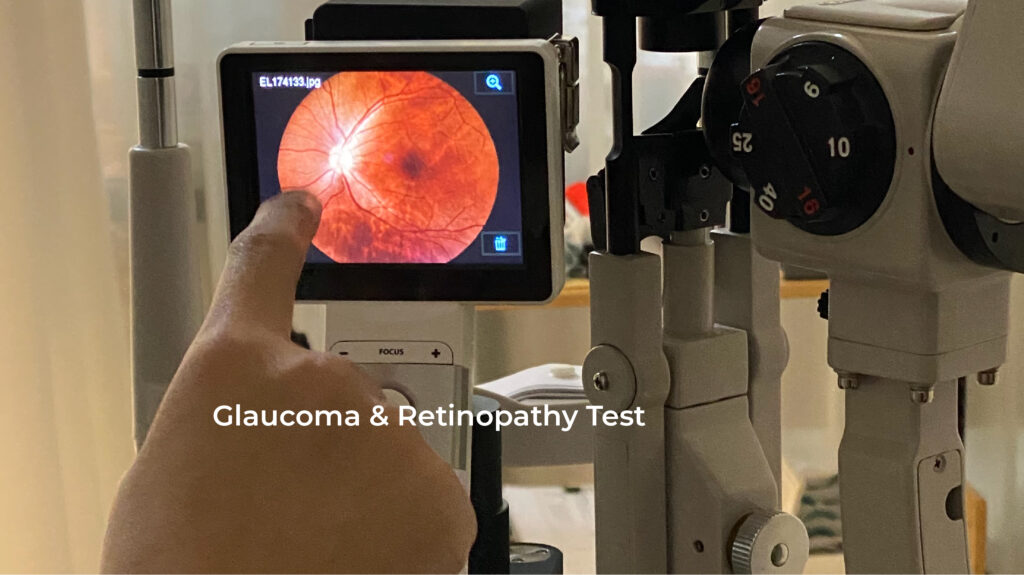
During an eye exam, your optometrist may detect certain eye conditions and manage them with prescription glasses if appropriate. If the condition requires more advanced care, they will refer you to an ophthalmologist, who is qualified to treat complex eye issues such as glaucoma, age-related macular degeneration (AMD), cataracts, diabetic retinopathy, and retinal detachment.
Eye surgeries
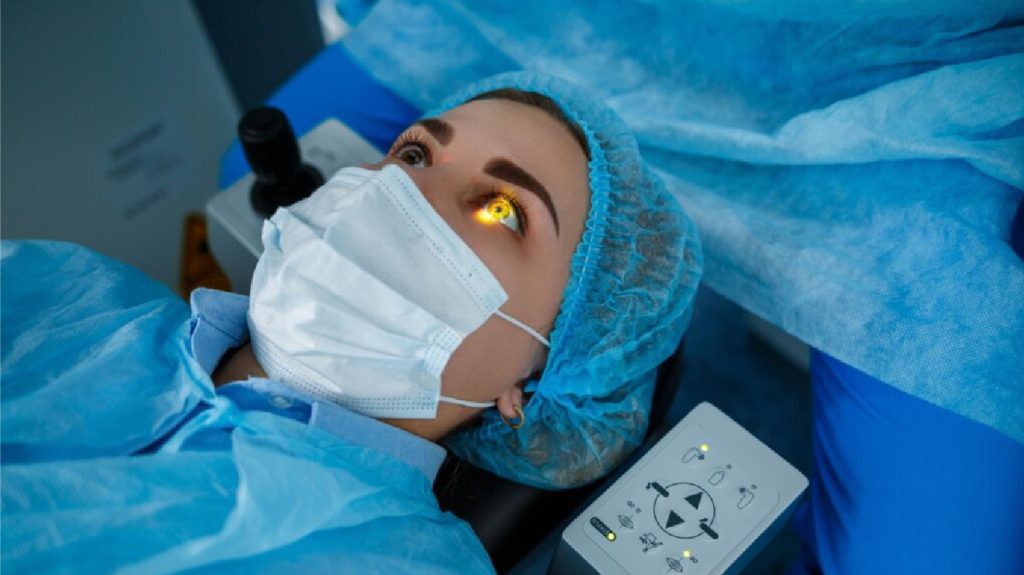
Ophthalmologists are the only eye care professionals licensed to perform eye surgeries. Optometrists, while skilled in diagnosing and managing general eye conditions, do not carry out surgical procedures. If you are diagnosed with a serious condition like cataracts that are affecting your eyesight and require surgery, you will need to be referred to an ophthalmologist for specialised treatment.
Conclusion
Understanding the difference between optometrists and ophthalmologists helps you choose the right care for your eye health. Optometrists handle routine exams and vision correction, while ophthalmologists manage complex eye conditions and perform surgeries. Start with an optometrist for most concerns—they’ll refer you to an ophthalmologist if specialised treatment is needed. Together, they ensure you get complete, coordinated eye care.
Need an optometrist? Make an appointment here. At Rx Optometry, we provide a free comprehensive eye examination with every pair of prescription eyeglasses.
Tags:


