Multifocal (Progressive) Lens: Most Common Problems and Solutions

Researching about multifocal (progressive) lenses can be overwhelming due to their complex design and variety. Before you start wearing or switching to a new pair of multifocal lens glasses, it’s important to understand multifocal (progressive) lens: most common problems and solutions.
Problems:
- Difficulty adjusting to multifocal lenses
- Distortion at the edges/ Peripheral distortion
- Narrow reading zone
- High cost
Multifocal Lens Problem #1: Difficulty Adjusting to Multifocal Lenses
It does seem harder for most people to adjust to new glasses, especially for multifocal. Many people experience a brief adjustment period (varying from weeks to months) when they first start wearing multifocal (progressive) lenses. It can take some time to get used to the different focal areas (near, intermediate and far) of the lenses.
Solution #1:
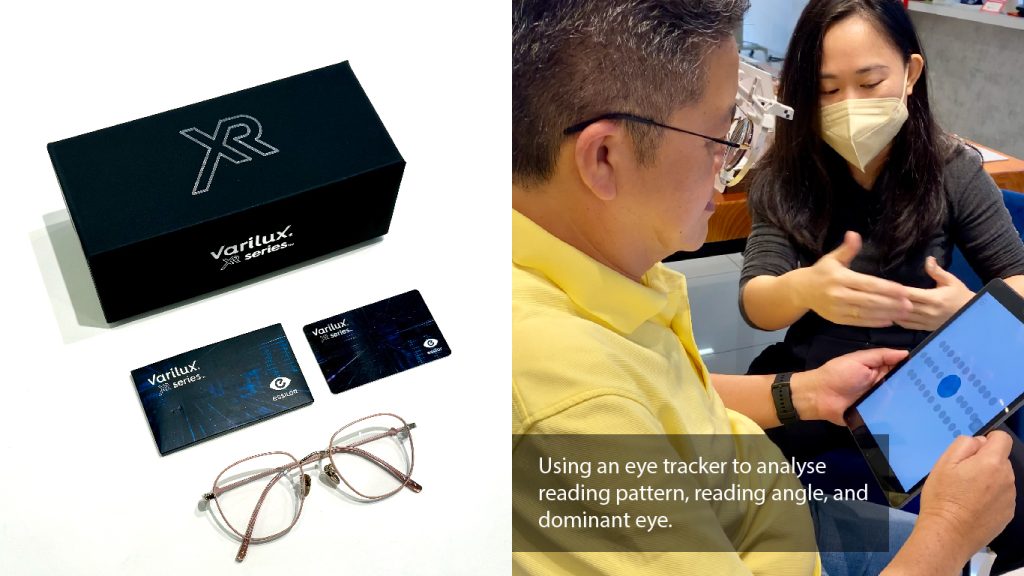
What if your glasses could adapt to your unique visual needs? With Essilor Varilux XR multifocal lenses, powered by AI, your glasses can now understand your visual behaviors. These lenses take into account your reading pattern, reading angle, and dominant eye, offering a highly personalized experience. Essilor Varilux XR is designed to adapt seamlessly to your visual requirements, ensuring a smooth transition between near, intermediate, and far vision.
Multifocal Lens Problem #2: Distortion at the Edges/ peripheral distortion
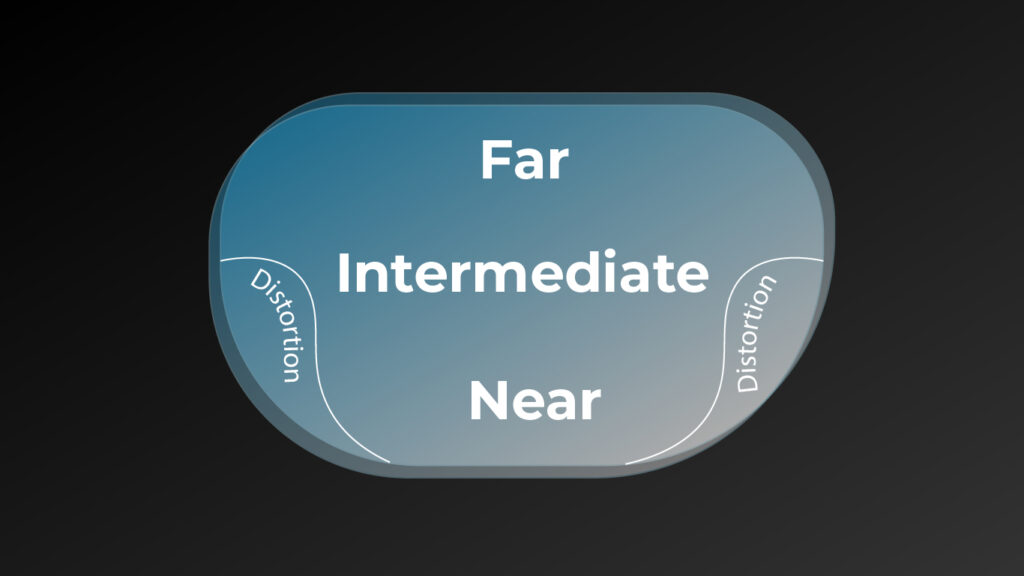
The sides of multifocal lenses often have distortion, especially in the peripheral areas. This is due to the transition between different lens powers. The good news is, such distortion can be minimised and we have the solutions for you.
Solution #2.0:

Opt for more advanced multifocal lenses, such as the Essilor Varilux XR lens. It responds to the natural movement of your eyes. This provides a more seamless visual experience with less distortion. With these lenses, you can maintain your natural head posture when shifting your gaze from the center to the side. Varilux XR is particularly useful for activities that demand frequent eye movements, such as driving.
Solution #2.1:

Opt for frames with smaller lenses to help keep the lens area more centered and reduce the amount of distortion you might experience when looking out of the corners of the lenses. Since distortion typically occurs at the sides of the lens, a larger lens area will contribute to larger distorted zones.
Multifocal Lens Problem #3: Narrow reading zone
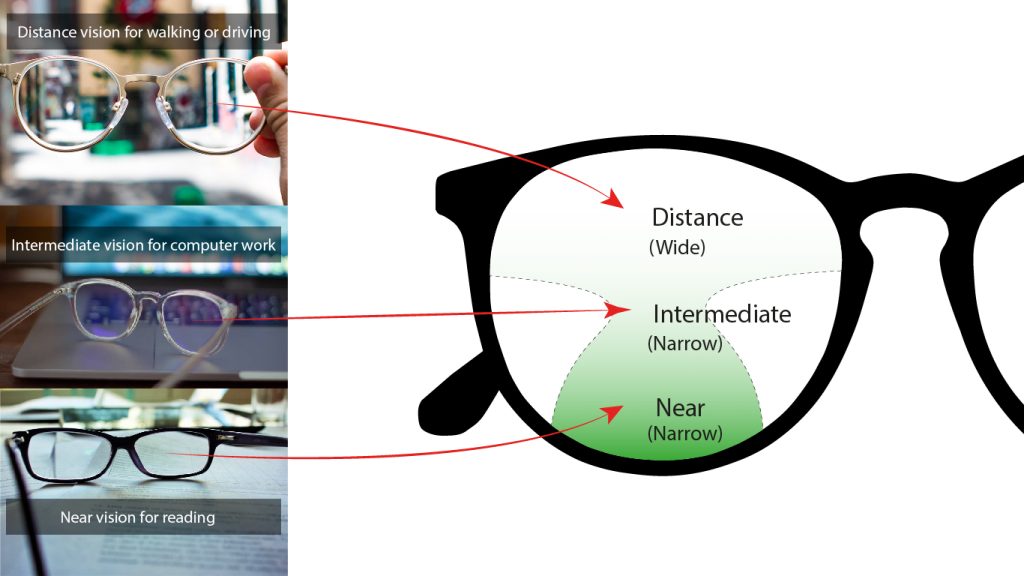
The progression from distance to near vision is not evenly spaced, which can result in a smaller usable area for reading or intermediate distances.
Solution #3.0:

Opt for wider reading zone lenses, such as Hoyalux iD Myself has improved the near and intermediate visual width and gaze transition without affecting far vision. This makes it easy for wearers to switch smoothly between using digital devices, as well as during outdoor activities.
Solution #3.1:

Sometimes, we have to admit that there is no one-size-fits-all solution. If a wide reading zone is non-negotiable, we recommend indoor office lenses, which are ideal for reading (near) and computer work (intermediate). However, far vision may be compromised. It’s important to note that even the best multifocal lenses may not provide a wide enough reading zone for your preference, so having an extra pair of indoor office glasses would be ideal.

Multifocal Lens Problem #4: High cost
Multifocal lenses generally cost more than single-vision lenses or bifocals, and additional factors like lens material, coatings, and customizations can add to the cost.
Solution #4.0:
Start with the most affordable and basic multifocal lenses to get used to their features as you begin to develop presbyopia. As your vision needs evolve, you can gradually upgrade to more advanced multifocal lenses as your prescription changes. Don’t wait until your vision needs exceed what a basic multifocal lens can offer.
Solution #4.1:
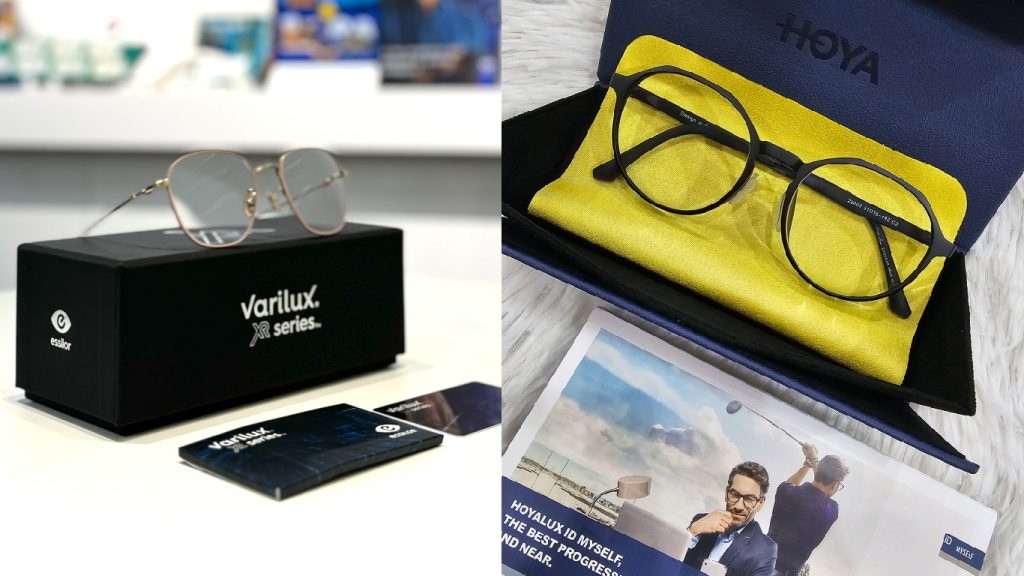
Opt for multifocal lenses that come with a longer warranty period. For example, Hoya and Essilor both offer a 2-year warranty on their multifocal lenses. This provides a total peace of mind, as it covers manufacturer defects, such as coating peeling or cracking.
Conclusion
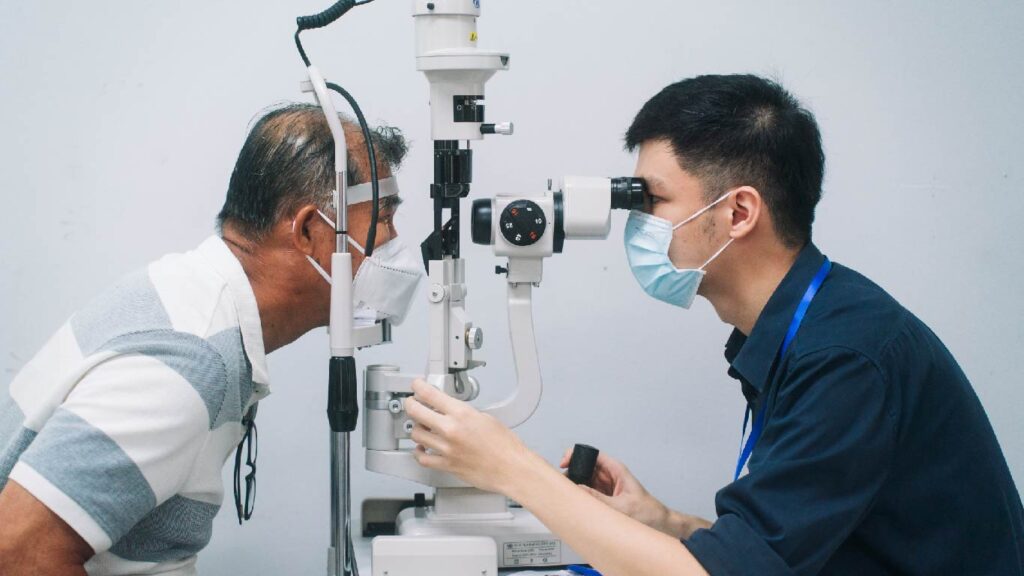
Last but not least, consult with your optometrist: If you’re having trouble, it’s important to consult with your optometrist to make sure the prescription is correct and that the lenses are suited to your lifestyle and needs. If you experience persistent discomfort or vision issues with multifocal lenses, it’s a good idea to return to your optometrist or optician for adjustments.
Make an Appointment
At Rx Optometry, we offer free lifetime glasses maintenance and adjustments because we want you to enjoy your glasses to the fullest. Additionally, we provide a 30-day adaptation period for multifocal glasses. If there’s any power error, we are happy to offer a one-time free replacement. Make an appointment with us today, and our optometrist will perform a comprehensive eye examination to recommend multifocal lenses that best suit your visual needs.
Visit our multifocal (progressive) glasses specialist page for more in depth knowledge.

Tags: